

Execution Model
RockGlobal operates within a market-based execution environment. Orders are processed using available market pricing and liquidity at the time of execution. Outcomes are influenced by real-time market conditions, including volatility, liquidity, and order characteristics, rather than any fixed or pre-determined pricing model.
How Execution Works
Execution follows a sequence driven by market conditions and system processing. Each step reflects how pricing and liquidity interact at the time an order is placed.
Order submission
An order is sent to the platform with defined parameters such as size, type, and price conditions
Price discovery
The platform references available bid and ask prices based on current market conditions
Liquidity assessment
Available liquidity at relevant price levels is evaluated at the time of execution
Execution outcome
The order is filled based on available pricing and liquidity, which may differ from initial expectations
How prices and spreads are formed
Prices shown on the platform reflect available market pricing derived from underlying liquidity. The spread represents the difference between bid and ask prices at a given moment.
Pricing is not fixed and may change continuously as market conditions evolve. Factors such as volatility, trading activity, and time of day all influence how pricing is formed and di
Bid price
Ask Price
The ask price represents the lowest price currently available in the market at which participants are willing to sell an instrument. It reflects available supply and adjusts continuously with changes in liquidity and market activity.
Spread
The spread is the difference between the bid and ask prices. Spreads are not fixed and may widen or narrow depending on factors such as market liquidity, volatility, time of day, and prevailing trading conditions.
Market depth
Market depth indicates the volume of available liquidity at different price levels. Greater depth generally means more volume is available near the current price, while limited depth may increase the likelihood of price movement or partial fills during execution.
| Pricing component | What it represents | What affects it |
|---|---|---|
|
Bid Price |
Price buyers are willing to pay |
Demand, liquidity, volatility |
|
Ask Price |
Price sellers are willing to accept |
Supply, liquidity, volatility |
|
Spread |
Difference between bid and ask |
Market conditions and activity
|
|
Market depth |
Available volume at price levels |
Liquidity and participation
|
Liquidity and its impact on execution
Liquidity refers to the availability of buyers and sellers at different price levels. It plays a key role in determining how orders are filled and how pricing behaves.
Execution quality depends not only on price, but also on the depth and stability of available liquidity at the time of the order.

Normal liquidity
Higher participation supports more stable pricing and smoother execution
Reduced liquidity
Lower participation can lead to wider spreads and less stable pricing

Volatile liquidity
Rapid changes in pricing and available volume.
Understanding slippage
Slippage occurs when an order is executed at a different price than requested. This reflects changes in market pricing or available liquidity between the time an order is placed and when it is executed.
Fast-moving markets
In rapidly changing conditions, prices can shift between order placement and execution. This may result in execution at a different level than expected.
News events
Economic announcements or unexpected events can cause sudden changes in liquidity and pricing. During these periods, execution outcomes may vary more significantly.
Gapping markets
When markets move between price levels without trading at intermediate prices, orders may be executed at the next available level rather than the requested price.
Order types and execution behaviour
Different order types interact with market conditions in different ways. The outcome depends on both the instructions of the order and the state of the market at the time of execution.
Market orders
Executed at the best available price at the time the order reaches the market. Price may differ from the last displayed level.
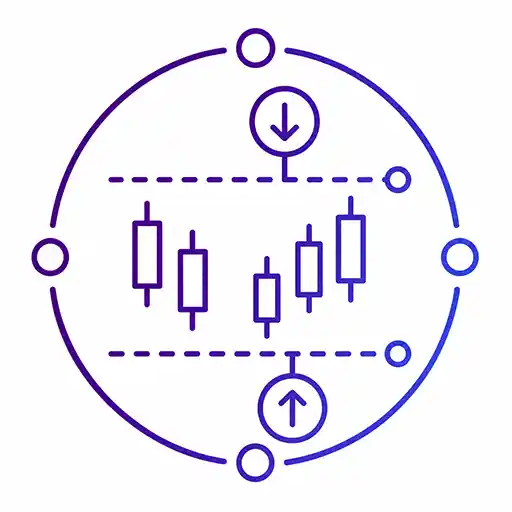
Limit Order
Set a specific price level for execution. Orders will only be filled if that price becomes available.
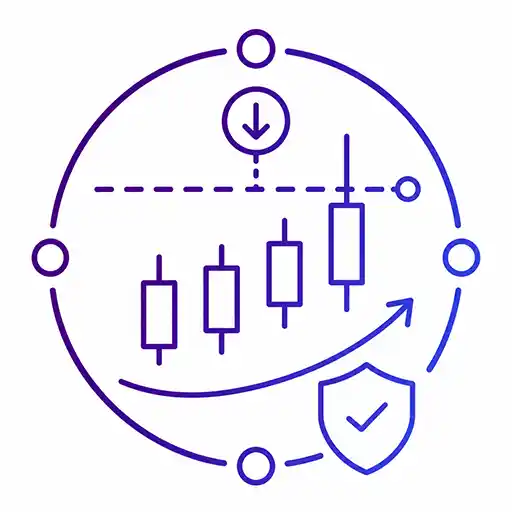
Stop Orders
Activated when a specified price level is reached. Once triggered, the order is executed based on available market pricing.
Stop limit Orders
Combine a trigger price with a defined limit. Execution depends on both the trigger condition and available pricing.
What RockGlobal controls and what it does not
Execution outcomes are influenced by both system processes and external market conditions.
Within broker control
Order routing processes
RockGlobal manages how orders are transmitted from the trading platform through its execution infrastructure to available market pricing and liquidity sources. This process is structured to ensure consistent handling of orders, rather than influencing pricing outcomes.
Platform stability and availability
RockGlobal maintains the reliability and availability of its platform and supporting systems, subject to scheduled maintenance, connectivity constraints, and external dependencies.
Operational monitoring
Execution activity is monitored to identify technical issues or abnormal behaviour. This monitoring supports system integrity and performance, but does not influence pricing or execution results.
Market-driven factors
Liquidity availability
The volume of buy and sell interest at different price levels is determined by market participants. This availability can change continuously and directly affects how orders are filled.
Volatility and price gaps
Market prices are influenced by economic events, trading activity, and external factors. Sudden movements, volatility, and price gaps can occur without warning and are outside any system control.
Execution timing and depth
Execution outcomes depend on the exact moment an order reaches the market and the available liquidity at that time. Participation levels, order flow, and market depth all influence the final result.
Execution-related risks
Execution is subject to market conditions and includes risks related to pricing variability, liquidity, and timing.
RockGlobal does not guarantee execution at requested prices or under specific conditions. Outcomes may vary depending on how market conditions change at the time of execution.
Further information
Some aspects of execution are within RockGlobal’s operational control, while others are driven entirely by market conditions.