Indices

Equity indices track the performance of groups of shares and are widely used to reflect regional, sectoral, or overall market sentiment. Index prices can move rapidly around economic data, earnings cycles, and shifts in global risk appetite.

Risk notice: Index derivatives carry a high level of risk. Prices can gap and execution can vary in fast markets. Services may be limited by client type and jurisdiction.
Check client eligibility or Explore MT5 

How equity indices work

Equity indices aggregate the performance of multiple underlying shares into a single reference value. Each index follows a defined methodology that determines which constituents are included, how they are weighted, and how the index level is calculated.

Indices are commonly used to benchmark market performance, express macro or regional views, and gain diversified exposure to equity markets. Liquidity and trading conditions vary depending on the underlying market hours, index composition, and prevailing market conditions.

Market representation

Tracks groups of shares across regions or sectors.
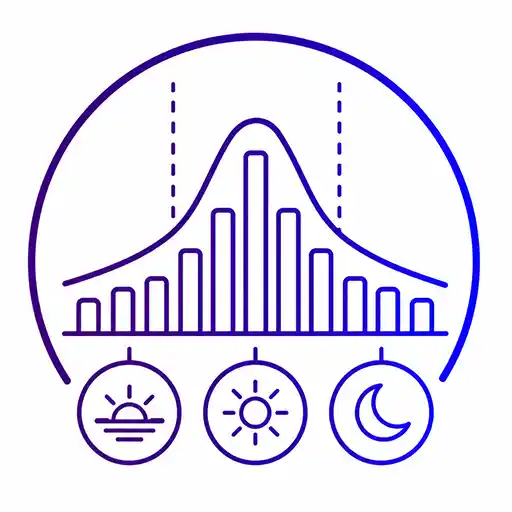
Liquidity by session

Trading conditions can change as local markets open and close.

Economic sensitivity

Prices reflect earnings cycles, rates, and investor sentiment.
Major Global Equity Indices

Instrument types

S&P 500 (US):

Tracks 500 large-cap US companies and is often viewed as a broad indicator of US equity market performance.

NASDAQ 100 (US)

Focused on technology and growth-oriented companies, often exhibiting higher volatility.

Dow Jones Industrial Average (US)

A price-weighted index of 30 large US companies, influenced by individual share price movements.
FTSE 100 (UK)

Represents large-cap UK-listed companies with significant international revenue exposure.
DAX 40 (Germany)

Tracks major German blue-chip companies and is sensitive to European economic conditions.

Nikkei 225 (Japan):

A price-weighted index of leading Japanese companies, influenced by currency movements and domestic policy.

What moves equity index prices

Typical catalysts

• Central bank rate decisions and policy statements

• Inflation, employment, and GDP data releases

• Corporate earnings seasons

• Geopolitical developments or systemic risk events

Market hours, liquidity, and when conditions change

Equity index liquidity varies throughout the trading day as underlying stock exchanges open and close. While pricing may be available beyond local exchange hours, liquidity is typically deepest during the primary trading session of the index’s home market.

Global trading sessions and typical liquidity conditions

Session Approx. hours (UTC)
Asia Session
00:00–09:00

Liquidity linked to Asian equity markets.

Europe Session
07:00-16:00

Increased activity in European indices.

US Session
13:00-22:00

Deep liquidity in US indices.

Europe-US Overlap
13:00–16:00

Often the most active period.

Trading hours are indicative and may vary due to daylight saving changes and market holidays.

Liquidity

Liquidity describes how easily positions can be entered or exited without materially affecting price.

Spreads

Spreads may widen during low-liquidity periods or outside core market hours.

Volatility

Volatility can increase around market opens, closes, or major data releases.

Slippage

Slippage can occur when prices move between order placement and execution, particularly in fast markets or low-liquidity conditions.

Pricing and index calculation

Equity indices are calculated using defined methodologies that aggregate the prices of underlying shares. Depending on the instrument, pricing may reference the live index level or derivative markets that incorporate additional cost components.

Click to expand

Equity indices follow published methodologies that determine which shares are included and how they are weighted. Most major indices are either market-capitalisation weighted, where larger companies have a greater influence, or price weighted, where higher-priced shares have more impact on the index level.

Changes in constituent prices, corporate actions, and index rebalancing can all affect index values over time.

Cash index pricing reflects the current calculated level of the underlying index based on constituent share prices.

Futures pricing represents an agreement to buy or sell exposure to an index at a future date. Futures prices can differ from cash index levels due to factors such as:

  • expected dividends

  • interest rates and funding costs

  • time to contract expiry

These differences are a normal feature of futures markets and do not imply mispricing.

Index exposure can be offered through different instruments, each with its own pricing structure. Variations may arise due to:

  • contract specifications

  • funding or rollover adjustments

  • market liquidity and trading hours

As a result, prices for index-related instruments may not always move identically, even when they reference the same underlying market.

Key risks when trading indices

Practical risk controls

Position sizing, use of limit and stop-loss orders, margin and leverage awareness, and reviewing contract specifications before trading.

  • Position sizing

    Limiting the size of individual positions relative to overall account balance can help manage the impact of adverse price movements. Larger positions increase sensitivity to price changes.

  • Order limits and stop-losses

    Limit orders and stop-loss orders can be used to define intended entry or exit levels in advance. These tools may help structure risk, but they do not guarantee execution at a specific price, particularly during fast or illiquid markets.

  • Margin and leverage awareness

    Trading on margin involves borrowing to increase market exposure, which magnifies both gains and losses. Leverage increases sensitivity to price movements and can result in losses exceeding initial expectations if not carefully managed.

  • Reviewing contract specifications

    Contract size, pricing method, and margin requirements can vary by instrument. Reviewing these details before placing a trade helps avoid misunderstandings about exposure and cost.

Indices on MetaTrader 5

Using MT5 to monitor and manage indices exposure

FAQs

1. What is an equity index?

An equity index measures the performance of a defined group of shares based on a specific methodology.

2. Why do indices react to interest rates?

Interest rates influence discount rates, funding costs, and investor risk preferences.

3. Why do spreads widen during news?

Liquidity providers may adjust pricing rapidly during uncertainty, leading to wider spreads.

4. Why do spreads widen during news?

Spreads can widen when liquidity providers update prices quickly or reduce exposure during uncertainty. This is more common around major data releases and rapid price movement.

5. Can slippage occur on indices?

Yes. Slippage can occur in fast or illiquid market conditions.

Sources

Trading
Markets
Education
Tools
About
Support

Affiliates     •     Partners     •     MT5

Risk Notice: Financial markets involve risk, and losses may occur. Information on this website is provided for general informational purposes only and does not constitute financial advice, an offer, or a solicitation. Any reference to financial instruments or markets does not take into account your individual objectives, financial situation, or needs. You should consider seeking independent professional advice before making any financial decisions.